No Excuses—Even in Bad Weather
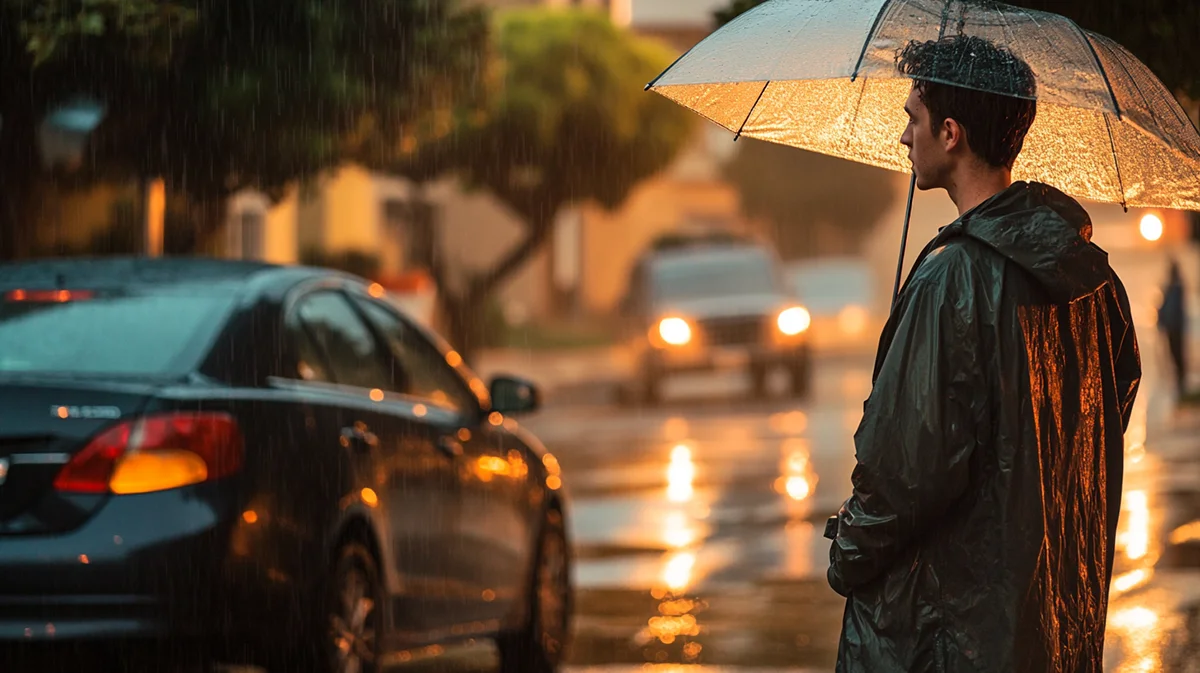
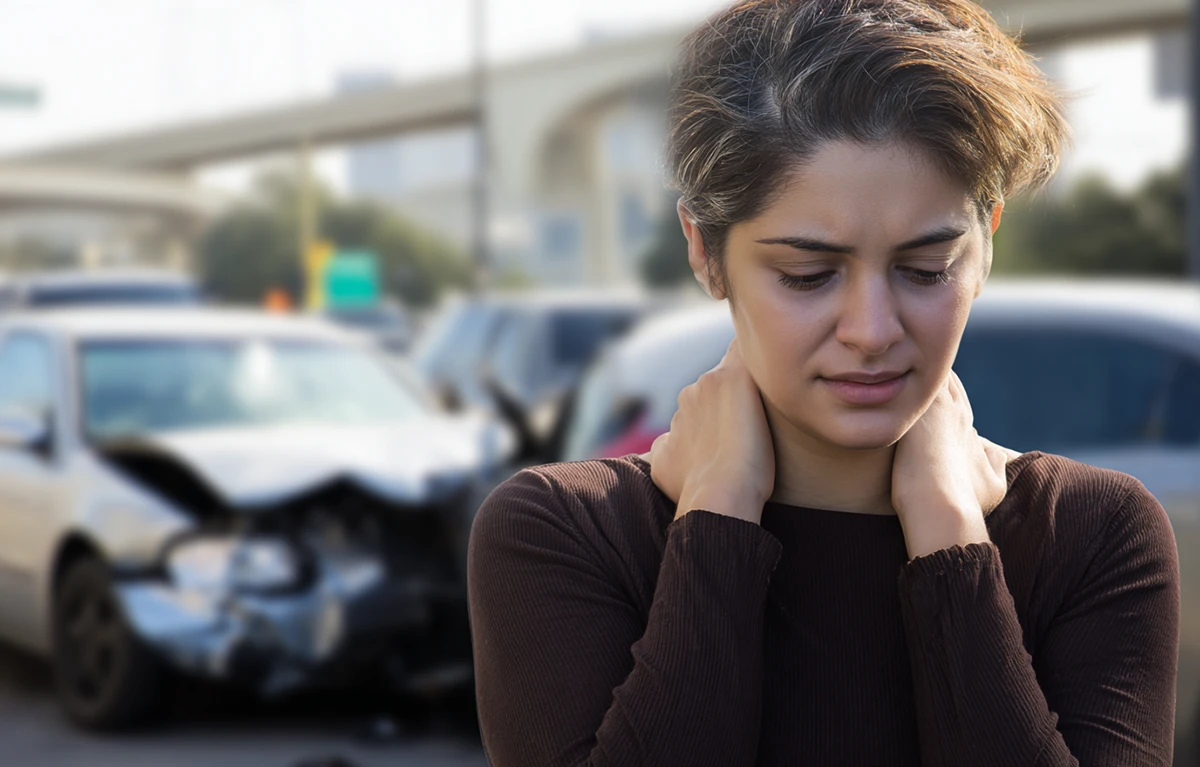
Picture this: You’re driving home from a long day at work. The rain’s coming down hard, visibility’s a joke, and the wipers are barely keeping up. Suddenly, there’s a brake light in front of you—too late to react. You hit the car in front of you. And just like that, you’re in the middle of a messy accident scene.
Now, you might think, “It’s the rain’s fault. I did everything right.” But California law disagrees. Rain, fog, or even surprise hailstorms don’t excuse reckless driving. You’re expected to drive safely, no matter the weather. Slippery roads? Slow down. Thick fog? Turn those headlights on. The weather is no one’s defense, not in California. And if you’re thinking about claiming it was out of your hands, think again. The courts demand more than just excuses; they demand evidence, preparation, and proof that you did everything possible to avoid a crash.
California Law Requires Drivers to Adjust for Weather Conditions
The Basic Speed Law and Weather Conditions
California’s courts have one clear expectation: drivers must adapt to the road conditions, no exceptions. When the sky opens up, so should your eyes and reflexes. If you’re going full speed on a rain-slicked highway, it’s not the rain’s fault if you crash—it’s yours. According to California’s basic speed law, drivers must reduce speed to match weather conditions. The posted limit is a maximum, not a suggestion.
Think about it. A driver going 65 in a 65-mph zone sounds reasonable, right? But if the rain’s pouring, the roads are shining with water, and visibility is near zero, that same driver suddenly becomes a danger. The law says that reasonable speed changes with the conditions. And if you don’t adapt? You could be seen as negligent. That’s why California courts and insurance companies alike scrutinize how you reacted to the conditions. And if you’re unsure what that means, consult experienced accident lawyers in Los Angeles who can help clarify it for you.
Gathering Evidence: Why It’s Crucial After a Weather-Related Accident
Let’s get one thing straight: in weather-related accidents, timing is everything. Rain, fog, and other conditions change fast. In minutes, that fog can lift, or rain can stop, taking any evidence with it. That’s where acting quickly—collecting proof right after the crash—can make all the difference. California Evidence Code §1560 is on your side here. This statute allows your lawyer to gather weather reports, dashcam footage, and any other relevant evidence to recreate the conditions accurately.
Imagine you’ve been in an accident in heavy fog. An attorney can request local weather data, radar records, or even road camera footage to prove how dense the fog was at the time of the accident. This evidence can show that you drove cautiously, adjusted to the conditions, and still ended up in a crash because someone else didn’t. It’s these details that auto injury attorneys near you are trained to gather. They know the urgency and the power of solid evidence. Because in court, the strongest proof always wins.
California Evidence Code §1560: The Power to Preserve What Matters
When you’re involved in an accident tied to bad weather, California Evidence Code §1560 becomes your best friend. This statute ensures that evidence like traffic footage, weather data, and road conditions are preserved, authenticated, and ready to stand up in court. Whether it’s radar showing the rainfall rate or street cam footage capturing reduced visibility, §1560 allows your attorney to build a robust case.
Imagine you’re involved in an accident during a sudden downpour on an L.A. freeway. Your car accident lawyer near you can use §1560 to secure records showing that road conditions were treacherous and that you reacted appropriately. By preserving this data quickly, you protect yourself against claims that you were reckless. The better your evidence, the stronger your case. And when the weather is involved, time is never on your side. So act fast.
Negligence in the Rain: How Courts Decide Liability
If you think that heavy rain or fog removes liability, California’s courts have news for you. Adverse weather only raises the bar for caution. Courts examine your response to the conditions, not the conditions themselves. That means proving that you did everything a reasonable driver would do, even in challenging circumstances. It’s not just about what happened; it’s about how you handled it.
Consider this scenario: you’re driving carefully in a rainstorm, headlights on, maintaining a safe distance. But the car behind you? They’re tailgating, pushing through the rain as if it’s a sunny day. When they rear-end you, they might argue that the weather caused the crash. But California courts will see it differently. They’ll look at their failure to adapt, not just the rain. That’s why if you’re in an accident due to someone else’s negligence in bad weather, you need car accident injury help from a lawyer who understands these nuances.
Fog and Rain Don’t Negate Responsibility
Let’s talk fog—California drivers know it can be as thick as a wall, swallowing visibility. But driving in fog requires more than just caution; it demands precision. Failing to slow down, turn on headlights, or keep a safe distance could mean you’re held accountable if there’s a collision.
Think about the last time you drove in heavy fog. Did you slow down? Did you switch on your fog lights? Did you leave extra space? If you answered yes, you’re following California’s expectations. But if another driver didn’t and slammed into you, they’re likely the one on the hook. When fog is involved, California’s liability game is all about proving who adapted and who didn’t. If you’re in an accident in low visibility, gathering proof of the conditions and your actions becomes critical. With help with California accident claims, you can ensure the right party is held accountable, fog or no fog.
Insurance Companies and the Weather Defense
Insurance companies love a good weather excuse. Was it raining? They’ll say it was unavoidable. Was it foggy? They’ll say you should have been more cautious. Their goal is simple: pay out as little as possible. And bad weather gives them plenty of room to wiggle out of full compensation. But that doesn’t mean you have to settle for less.
For those seeking car accident injury help, a seasoned lawyer can counter these insurance tricks. They’ll argue that the other driver’s failure to adjust—not the weather—was the root cause. Insurance companies may be quick to use weather as an excuse, but a solid case filled with evidence and expert insights leaves them nowhere to hide. When you have an attorney on your side who’s skilled in challenging these tactics, you’re far more likely to secure the payout you deserve.
Expert Testimonies: The Backbone of Weather-Related Cases
Proving liability in a weather-related accident often takes more than just the conditions. It takes an expert witness. Someone who knows rain patterns, visibility standards, and vehicle control in adverse weather. This is where experienced accident lawyers in Los Angeles bring in the big guns. With meteorologists or accident reconstruction experts on their team, they present a clear picture of what went wrong—and why it wasn’t your fault.
Let’s say you’re hit by a speeding driver on a foggy highway. A meteorologist can testify to visibility levels, while a reconstruction expert shows how the other driver’s speed didn’t match the conditions. It’s about more than just blame; it’s about showing, in clear terms, that you did everything right while the other driver didn’t. With expert testimonies, your attorney makes a powerful case for full compensation.
Take Charge, Don’t Let Weather Take the Blame
At the end of the day, rain, fog, and even hailstorms are just conditions. They don’t excuse reckless driving, and they don’t erase negligence. If you’ve been in a weather-related accident, don’t let anyone tell you it’s just bad luck. California law is clear: responsibility lies in how each driver responds to the conditions. And if the other driver fell short, they’re the ones who should pay the price.
Don’t wait for the storm to pass. The California Attorney Group knows exactly how to handle weather-related claims, from gathering evidence under California Evidence Code §1560 to lining up expert witnesses who back up your story. Call us at (310) 278-6666 for help with California accident claims. You deserve to know that when the weather turns against you, someone has your back. And with our expertise, you can trust that every angle will be covered.